About The Wise Mind Clinic

Care that starts with the individual

The Wise Mind Clinic brings psychological assessment and therapy together in a way that is personal, clinically informed and easier to navigate.

We begin by listening to what is happening, what matters to you and what you hope to gain from support. From there, we can consider an appropriate assessment or therapy route without expecting you to arrive with a diagnosis or chosen treatment.

Our aim is to help you develop greater clarity, make informed choices and find a practical way forward. Plain language, collaborative decisions and compassionate clinical thinking are central to how we work.

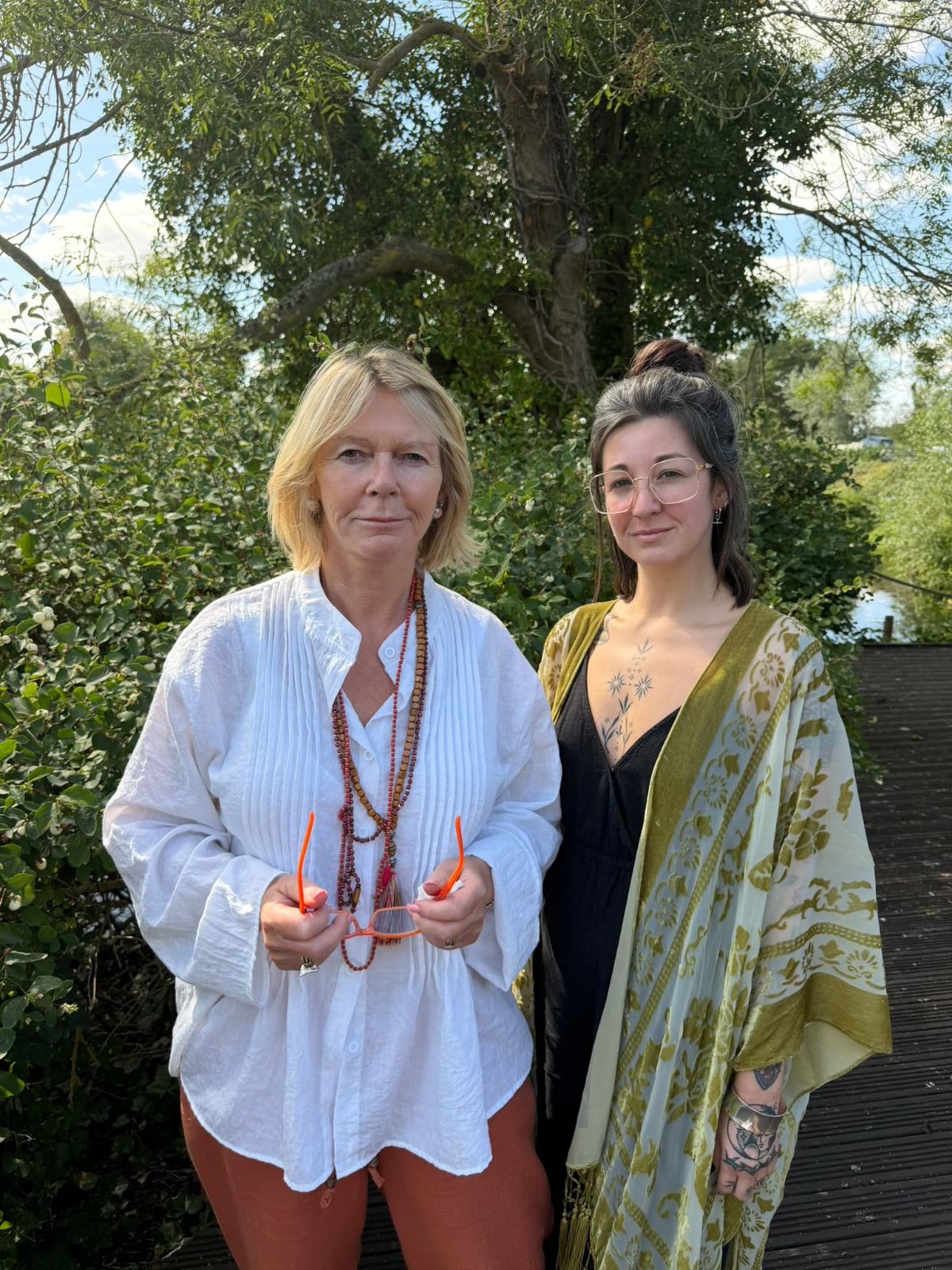
Fiona Atkinson and Josie Lester photographed together outdoors
Meet Fiona and Josie
Video coming soon

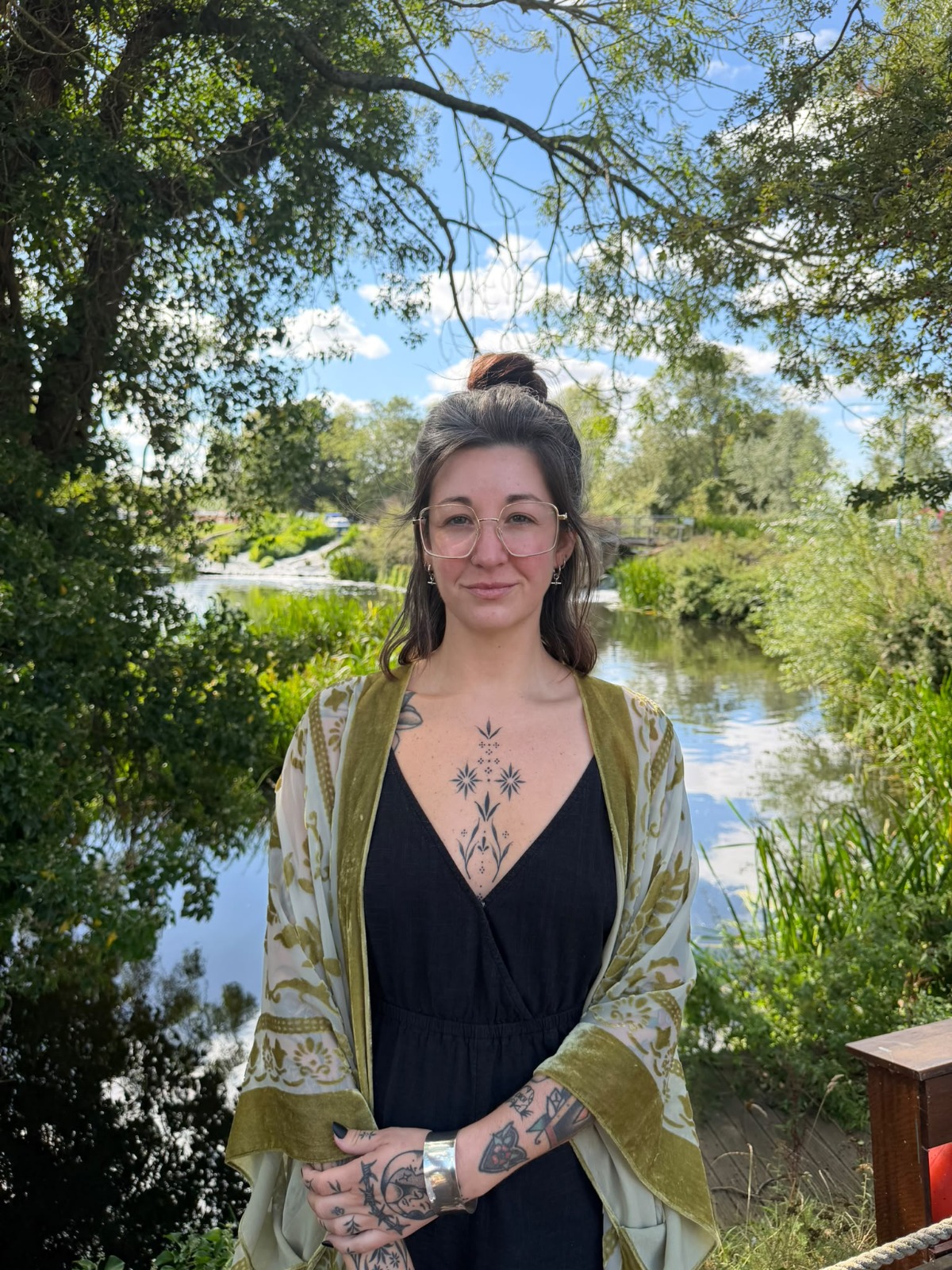
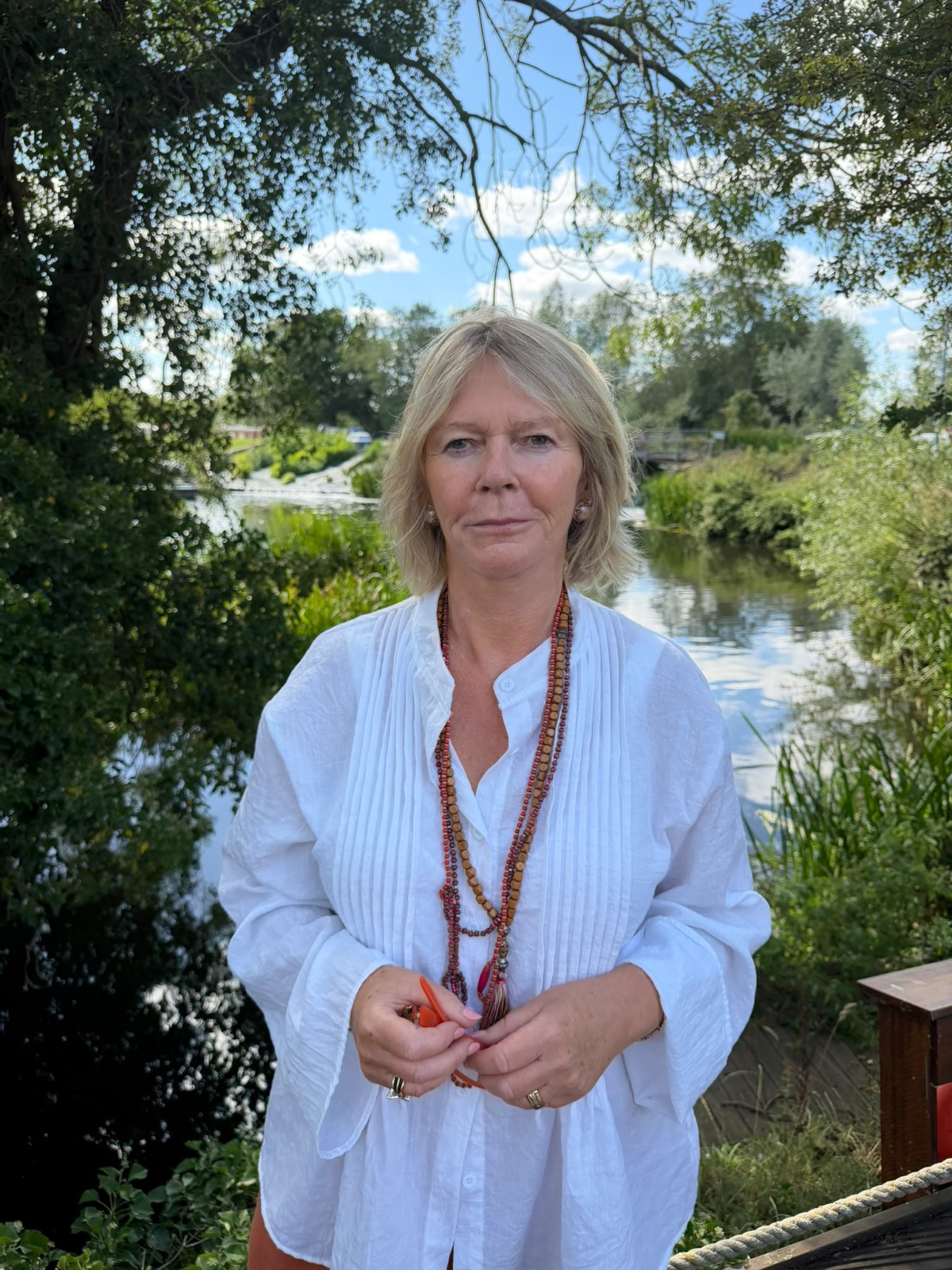
Meet Josie and Fiona

Hear Josie and Fiona introduce the clinic, describe their approach and explain what you can expect when seeking support.

The Practitioners

Meet Josie and Fiona

Explore each clinician's background, qualifications and areas of practice.

Multidisciplinary working

Relevant perspectives, one lead clinician

Different areas of professional experience can be brought together when this would strengthen the assessment or recommendations.

“Multidisciplinary” means that healthcare professionals from different professional backgrounds contribute their relevant knowledge to a clinical decision. This is a formal part of our adult autism assessment process.

You will still have one lead clinician who remains your main point of contact. Any professional consultation or team discussion takes place confidentially and for a clear clinical purpose.

Clinical governance

Professional standards

Our clinicians work within the professional and ethical standards relevant to their qualifications, registrations and areas of practice. Professional practice includes maintaining confidentiality, keeping appropriate clinical records, working within the limits of competence and undertaking relevant professional development, consultation and supervision.

We will be open if another professional or service is better placed to meet your needs. Where possible, we can provide guidance, signposting or an onward referral.

Official accreditation marks will be added only when approved artwork and usage permission are supplied.

Care principles

Trauma-informed and neuroaffirmative care

Trauma-informed and neuroaffirmative care shapes how we communicate and work across the clinic. It is not limited to one assessment or type of therapy.

Being trauma-informed means recognising that past experiences can affect safety, trust, relationships and responses in the present.

In practice, we explain what to expect, involve you in decisions and work at a manageable pace. You can ask questions, request a break or tell us when something does not feel comfortable. You will not be pressured to discuss experiences before you feel ready.

Being neuroaffirmative means respecting different ways of thinking, communicating, processing information and experiencing the world.

You will not be expected to make eye contact, sit still or communicate in a particular way. Movement and stimming are welcome. We can also provide written information, use direct language, allow additional processing time and discuss sensory or communication preferences.

Adaptations are individual, so we will ask what works for you rather than make assumptions.

Flexible delivery

Online and face-to-face appointments

Online appointments are the primary way we provide assessment and therapy.

For many people, meeting online offers greater flexibility, removes the need to travel and allows them to attend from a familiar environment.

Some assessment activities or types of therapy may require, or work better through, a particular format. If a face-to-face appointment is needed or preferred, we can discuss availability and any associated costs before you book.

The proposed format will always be explained as part of the appointment arrangements.

Confidential enquiry

Start with what you would like to understand

You do not need to arrive with a diagnosis or a chosen therapy.

Use the enquiry form to tell us briefly what you are looking for, and we will help you consider the available next step.

Your enquiry will be treated confidentially, and there is no obligation to book.